Unlocking Circular Economy Success through Data-Sharing Tools
The evolution of the circular economy stands as a crucial solution to counter the limitations of traditional linear production and consumption models. This transformative approach provides a regenerative framework, emphasizing the preservation of value in resources, products, and materials through ongoing circulation. Effectively managing resources and optimizing product value throughout their lifecycle are essential components of embracing this innovative paradigm.
Understanding Digital Product Passports
Within the context of data-sharing tools, the Digital Product Passport (DPP) plays a key role in facilitating circular economy strategies across the product lifecycle. Effective adoption of the circular economy requires broad collaboration between various stakeholders, including manufacturers, suppliers, consumers, and recycling agents. Data accessibility empowers these participants to make informed choices, optimize operations, improve resource efficiency, reduce waste generation, and explore opportunities for circularity.
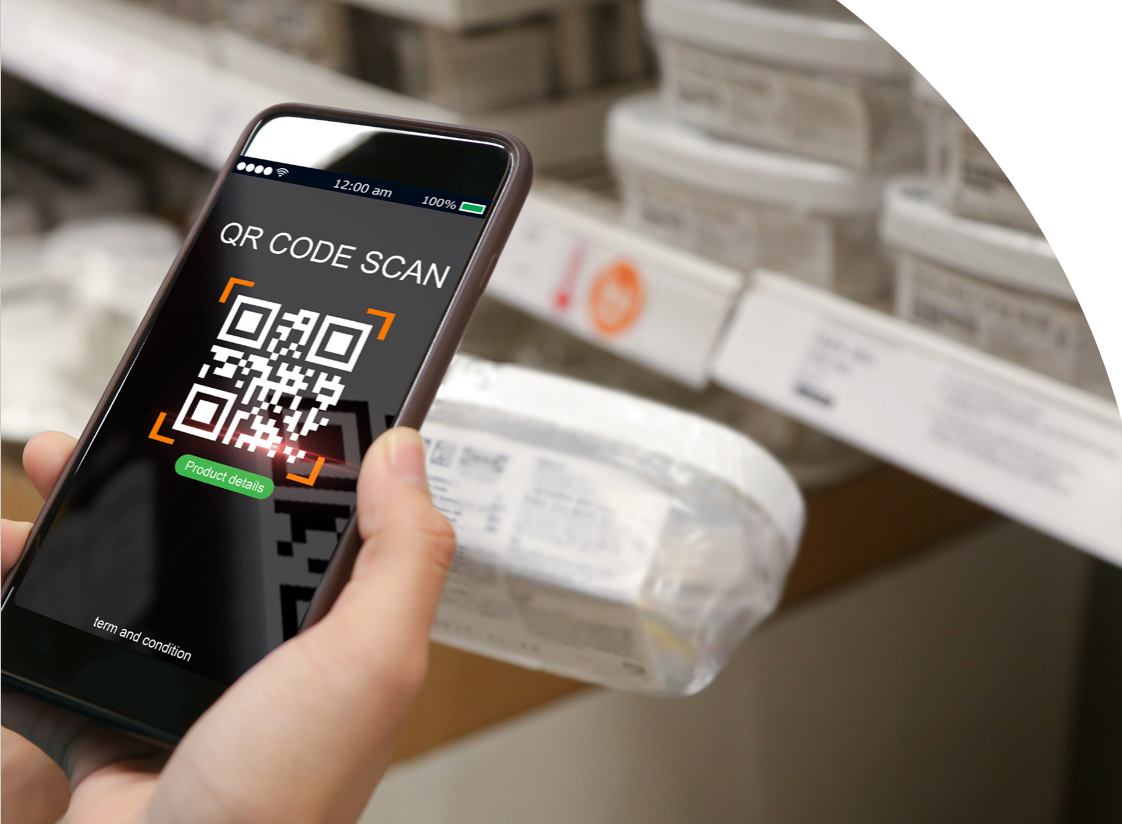
A major obstacle on the path towards a circular economy has been the absence of transparent product information exchange among actors within the value chain. The Digital Product Passport, developed by the European Commission under the Ecodesign for Sustainable Products Regulation, aims to address this challenge. This innovative tool functions as a structured database of product-related data, accessible through a unique identifier. It facilitates the efficient flow of information regarding sustainability, circularity, and value retention, benefiting a range of stakeholders, including raw material producers, end-of-life management entities, regulatory bodies, and consumers.

Cross-sectoral Insights
Traceability and reporting emerge as pivotal pillars in achieving circularity goals. By tracking materials across a product’s lifecycle, accountability can be established, incentivizing manufacturers to embrace product redesign with reusability, remanufacturing, and recycling in mind. Furthermore, data-sharing tools centralize communication on impact metrics, enhancing transparency and credibility for both business-to-business and business-to-consumer interactions.
Consumers play an indispensable role in propelling the circular economy. Their buying choices influence the direction of product value chains, making demand for environmentally friendly products a driving force. Through data-sharing tools, consumers can access information guiding responsible product use, maintenance, and end-of-life management. Additionally, the circular economy emphasizes smart design and manufacturing, highlighting the need for innovative product development that aligns with circular principles.
However, implementing data-sharing tools, especially in complex sectors like apparel, comes with its challenges. High turnover and variability in fashion trends demand agile solutions, while the global nature of the industry necessitates cross-border collaboration. Overcoming these challenges requires cohesive efforts from governments, businesses, and consumers, as well as standardizing data capture, ensuring data security, and aligning tools with emerging circular infrastructure.
The significance of data-sharing tools extends beyond the Digital Product Passport, finding relevance across industries. Take the food sector, where the adoption of data-sharing tools aids in tracing the origin, quality, and safety of products throughout the supply chain.
In the retail sector, supply chain management software platforms streamline operations, offering insights into inventory levels, order statuses, and shipment tracking. This optimization translates into minimized waste and efficient resource utilization. The pharmaceutical industry utilizes blockchain technology for tracking the authenticity and movement of drugs, thereby ensuring patient safety and reducing the risk of counterfeit products.
Beyond these examples, the transformation towards a circular economy demands a tailored approach to diverse sectors. While the benefits are evident, challenges exist, such as complex supply chains, rapid product turnover, and data security concerns.
The circular economy stands as a transformative economic model, promising a sustainable and regenerative future. Data-sharing tools, particularly exemplified by the Digital Product Passport, hold the key to unlocking its full potential.
As Entrophi is committed to shaping a sustainable future, we recognize the pivotal role of data-sharing tools in achieving a circular economy and stand ready to guide businesses in embracing this transformative journey. Transparency, and informed decision-making; where products, resources, and materials are valued, conserved, and perpetually cycled to create lasting prosperity.